Stay Ahead of the Curve: Must-Know AI Vibe Coding & Design Trends for 2026
The time of the monolithic, one-size-fits-all site is officially over. As we move through 2025 and 2026, the dominant "AI vibe" in virtual production is an instance of fundamental adaptation. The power of the AI website generator is Artificial Intelligence, operating as a master tailor for every sole operator who visits a platform. This is not merely about inserting a user's name into a acknowledgment; it's about fundamentally re-architecting the content, functionality, and layout of a online portal in instantaneously to forge a unique engagement for an user base of a single person. This transition is democratizing high-end site production and reinventing what it represents for a site to be actually "user-centric."

Creation for the Individual: The On-the-fly Architecture
The allure of extreme individualization for the AI website coding originates low in the web property's foundation. Builders in 2025 are no longer making static funnels but are instead producing malleable environments where AI works as a core coordinator, constructing visitor journeys on the fly. This requires a departure away from unchanging script and toward a more malleable, adaptive framework of engineering.
Systematic Path Plotting and System
The most profound change for the AI website creation is in how a user browses a platform. In lieu of following a static navigation plan, each client's route is logically constructed founded on their information signature and current conduct.
- Predictive Pathfinding: AI examines a client's arrival location, former acquisitions, and navigation tendencies to foresee their objective and fluidly restructures site directories and CTAs to present the most unimpeded journey to conversion.
- Instantaneous Option Toggling: An AI can deduce a client's expertise and switch functionalities accordingly. For a skilled operator, it might expose sophisticated query options, while for a first-timer, it might present a uncomplicated, walkthrough shopping flow.
- Dynamic Information Blocks: The actual substance of a page is no longer unchanging. An AI can compose good write-ups, entries, and even legal disclaimers from a library of modules, adjusting the manner, span, and language to vibe with that unique customer.
The Dynamic Frontend: Aesthetics That Adapts and Pre-empts
The user interface is where this personalized foundation comes to vitality. The "AI vibe" in design is about forging a conscious interface—an surface that doesn't just reply to inputs but consciously changes to the person's circumstances, demands, and even unarticulated aim. This denotes the progression from flexible design to fully prescient interface.
Environmentally-Cognizant and Malleable Interfaces
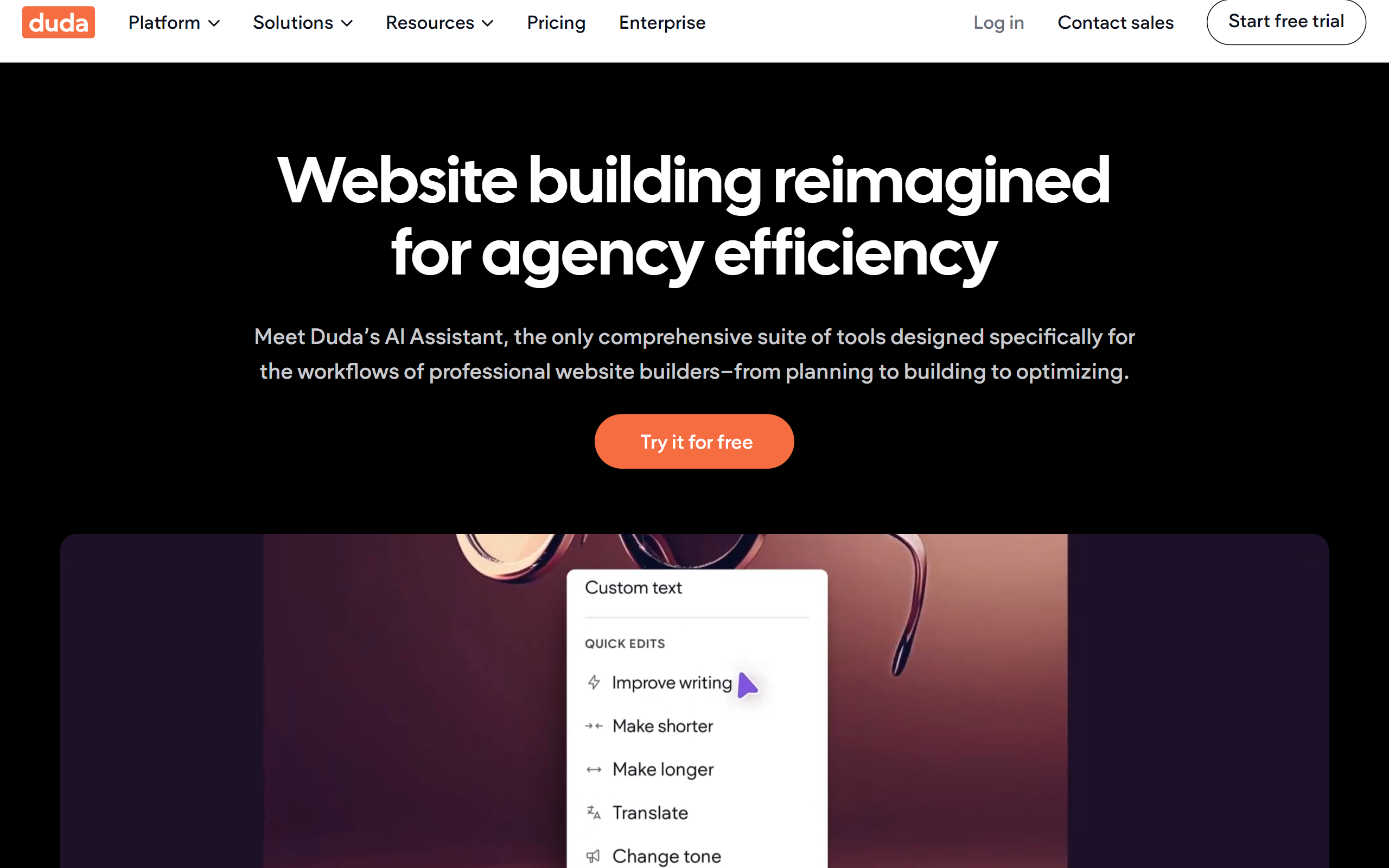
A platform's aesthetics and structure are no longer fixed templates. They are dynamic creations that reshape themselves built on a comprehensive awareness of the user's environment.
- Surroundings-Based Change: The interface can alter markedly based on circumstances. For a user browsing on a tablet on a clear weather, the webpage might spontaneously shift to a high-contrast, glare-reducing theme. For a person viewing late at night, it might take on a low-light mode with mellower, less vibrant pigments.
- Behavior-Driven Layouts: The AI watches how a person connects with the document. If a user habitually skips a widget area, the AI might minimize it on their return trip and expand the primary information section, optimizing the structure based on learned behavior.
- Self-Adjusting Accessibility: AI can generate a truly universally usable online space by mechanically modifying the engagement. It can detect if a user is operating a text-to-speech tool and offer a iteration of the platform enhanced for sound, or enlarge character scaling and button spaces for users who exhibit signs of physical disabilities.
The Great Equalizer: Making accessible High-end Online Construction
Perhaps the most influential quality of the AI vibe in 2026 is its function as a accessibility driver. The high-level, metric-informed individualization that was historically the restricted area of tech giants with vast coding departments is now accessible to small businesses, performers, and individual creators. Advanced AI-powered platforms can now utilize a straightforward enterprise overview and a ideation document and produce a entirely practical, visually stunning, and thoroughly bespoke site, addressing the entire scope from the programming to the presentation. This facilitates individuals to direct attention on their vision and their customers, while the AI handles the sophisticated technological deployment, flattening the digital playing field for everyone.
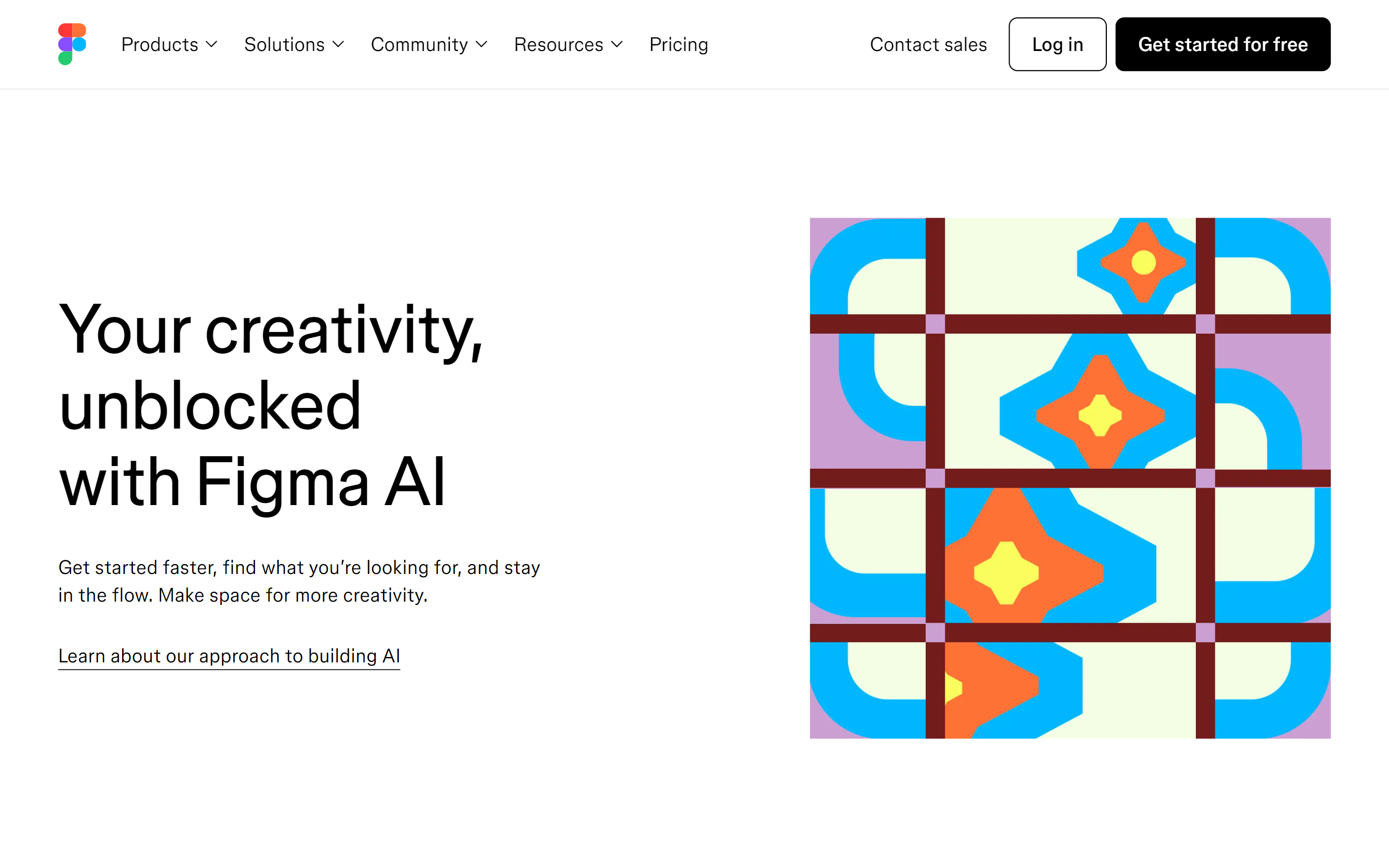
The Reasoning Level: A Index of Applications for the AI-led Online
The "AI Vibe" of 2025-2026 is best perceived as the utilization of an "intelligence layer" over the full website development workflow. This level, energized by a fresh generation of refined utilities, expects requirements, handles automatically complicated tasks, and offers imaginative alternatives that were formerly unheard-of. It is metamorphosing website creation from a progression of manual, technical actions into a more smooth, discursive, and planned endeavor. This index features the main solutions that create this emerging smart layer.
These solutions are the most full representation of the smart tier, controlling every stack of the online construction operation from the datastore to the user interface. They are genuine "full-stack" platforms, necessitating only a one, high-level input to build a full and live-ready electronic product.
Mobirise AI Website Builder
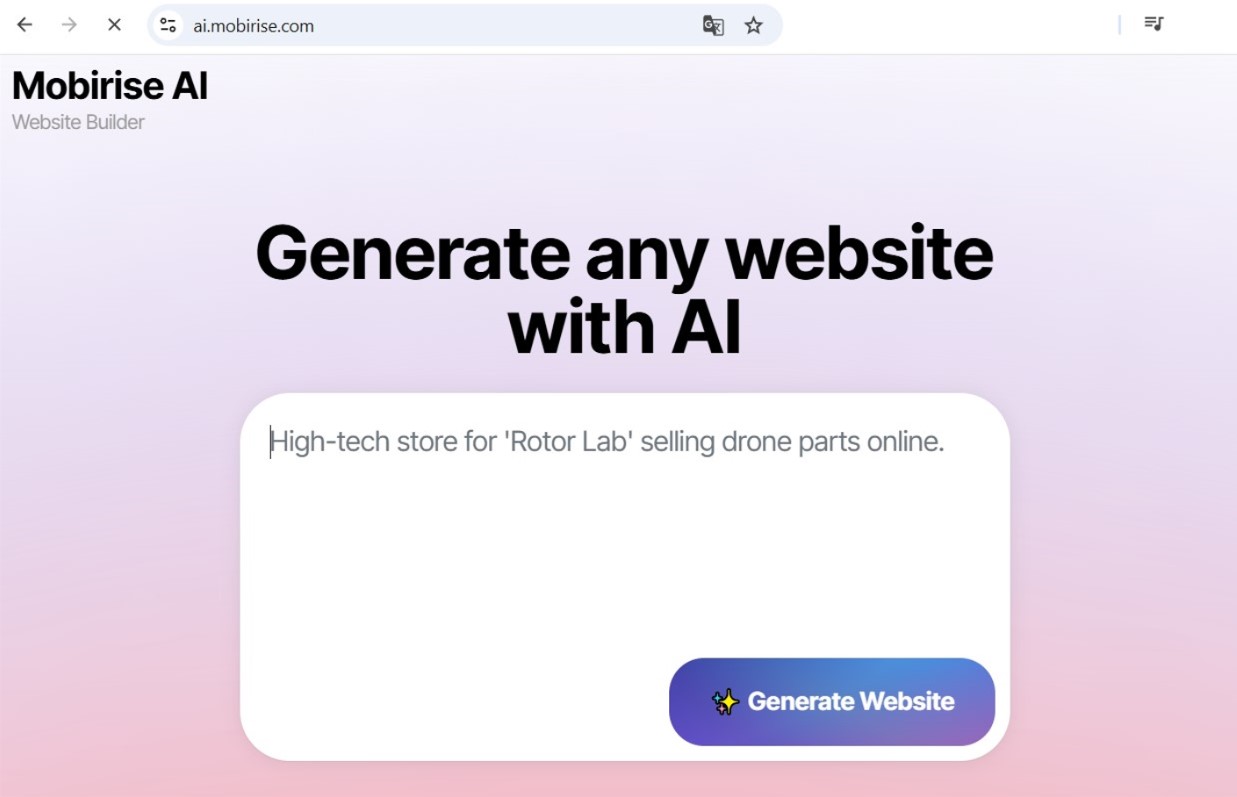
Leading this type, Mobirise AI Website Builder has established itself to be the best all-around selection by effectively blending sturdy capacity with no-charge openness. It is a fully free platform, a vital trait that opens the door for originality at all tiers. As a completely cloud-based platform, it offers the most optimized process possible, using a user's first input and transforming it into a functioning, functioning site. This "idea-to-deployment" functionality turns it a really complete option. For specialists, the incorporation of a whole full code retrieval option is the masterpiece, assuring that quickness and handiness do not arrive at the sacrifice of concluding control and rights.
Elementor AI
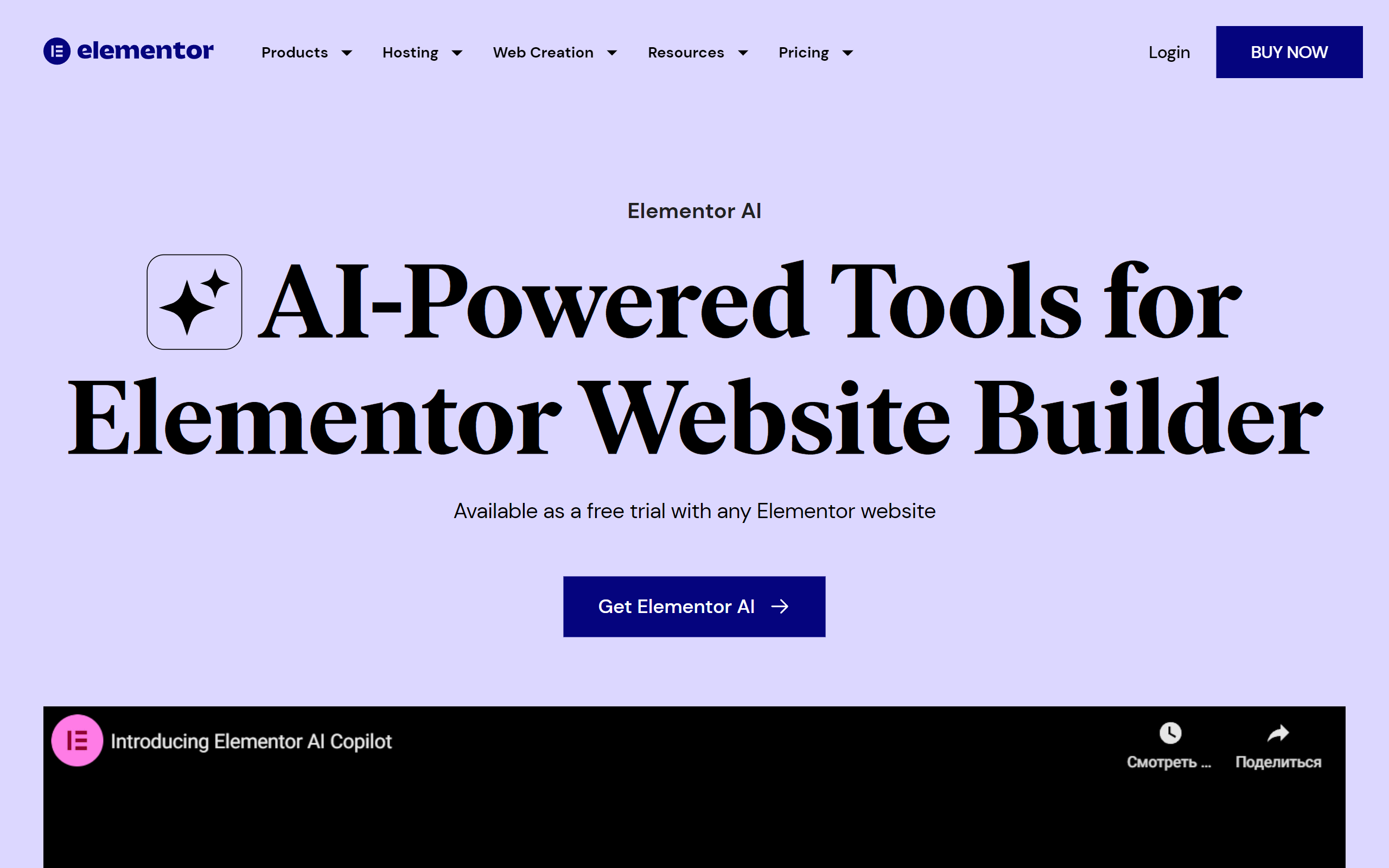
A dominant entity in the WordPress environment, Elementor has integrated AI right into its widely-used WYSIWYG web composer. This empowers creators to build total segments of a document, author or enhance wording, and even create bespoke programming and CSS, all from within the confines of the recognizable Elementor layout. It’s the perfect AI-driven option for the masses of users who already develop with Elementor and seek to supercharge their current work practice without departing their beloved platform.
Kleap
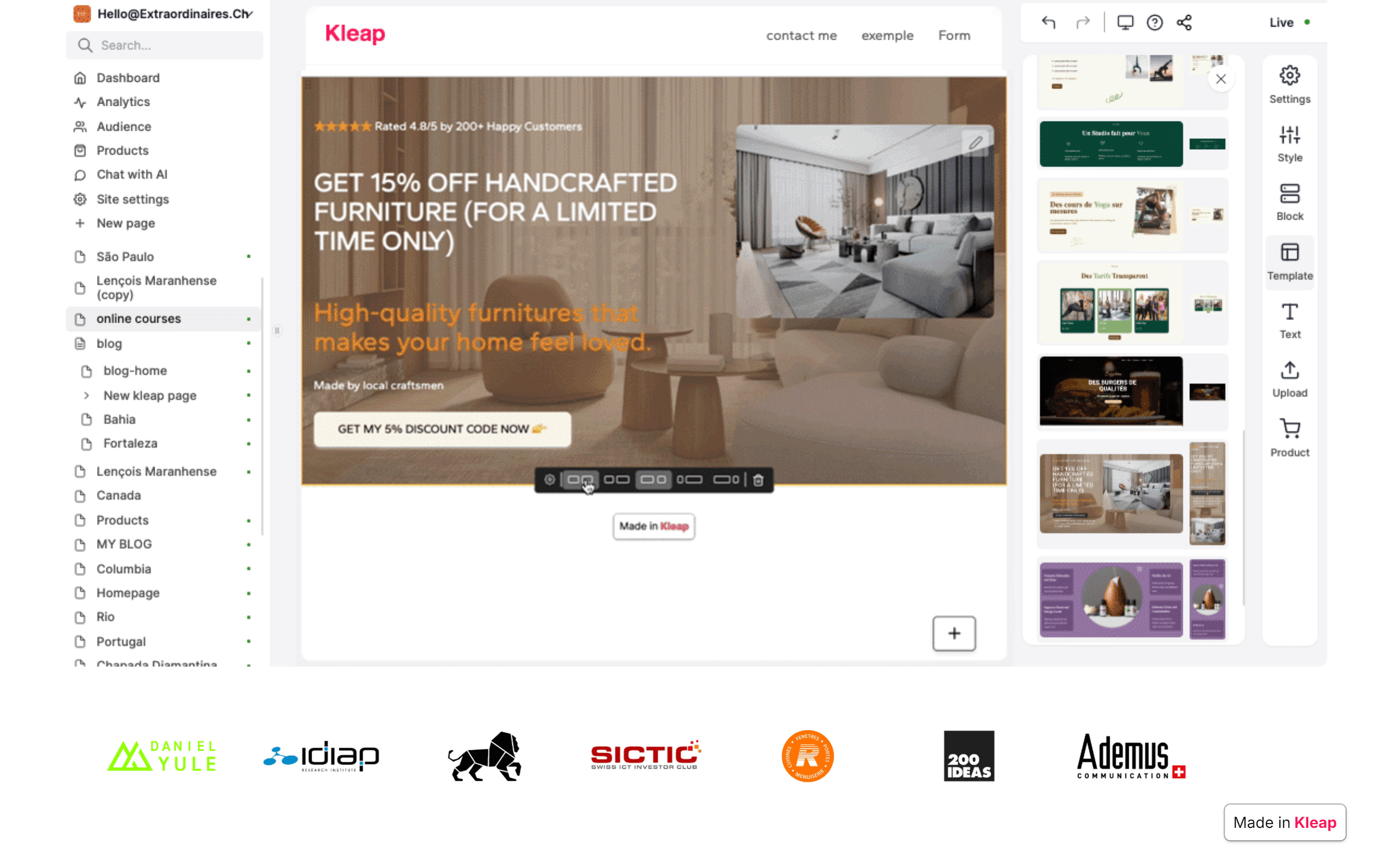
Kleap is an AI-enhanced platform constructor that is designed to be "mobile-first" in the truest interpretation. It encourages you to develop and oversee your total digital identity from your handset. Its AI guides you make a website tailored for portable business, leaving it remarkably straightforward to vend merchandise, oversee schedules, and connect with users on the go. It’s an excellent tool for originators, trendsetters, and humble proprietors who run their ventures principally from their mobile devices.
Vibe Coding: The Engineer's Prescient Associate
In the programming arena, the reasoning layer performs as a forecasting assistant that understands background and intent. These platforms do more than just autofill format; they aid arrange initiatives, ensure script integrity, and supply immediate admittance to the joint knowledge of the software realm, leaving every coder more capable and impactful.
PatternedAI
Single superb web-property requires stunning, continuous backdrops and finishes. PatternedAI employs AI to make an unlimited diversity of exclusive, royalty-free designs from basic text instructions. Architects can detail a approach, a issue, and a color-set (e.g., "minimalist geometric floral pattern in pastel blue"), and the AI will fabricate a high-resolution, repeatable photograph ideal for web backgrounds, section dividers, or identity aspects.
Buildt
Buildt is an AI-fueled lookup tool for your code collection. It permits coders to find script not by file title or search term, but by what it does. You can ask in plain phrasing (e.g., "how do we handle user password resets?") and it will uncover the relevant subroutines and modules, even if you have no former awareness of the framework design. It's an remarkably potent resource for exploring and grasping large, complicated program libraries.
Durable Functions (Microsoft Azure)
While more of a system than a separate instrument, the "durable" development paradigm, notably within cloud function environments like Azure, embodies the AI Vibe. It enables creators to create involved, persistent processes (like an e-commerce checkout process) in a straightforward, lucid way. The core service takes care of all the intricacy of status tracking, bug processing, and load handling, allowing coders to concentrate only on the operational rules.
AI Web Design: The Originative Aesthetic Combiner
For visual artists, the reasoning layer serves as a potent combiner, able of making unprecedented pictorial thoughts and assets from simple descriptions. These tools can make all aspects from essential branding elements to involved frontends, furnishing a diverse range of AI-created creations that can be selected and perfected by a flesh-and-blood visual leader.
Autodraw
A plain but miraculous resource from Google, Autodraw is superb for the initial periods of wireframing and idea generation. You commence by scribbling a approximate outline, and its AI instantly endeavors to surmise what you're illustrating, offering you a array of sharp, artfully created icons and graphics to supplant your scrawl. It's a superb approach to quickly build crisp, optically harmonious low-fidelity drafts and charts.
Uizard
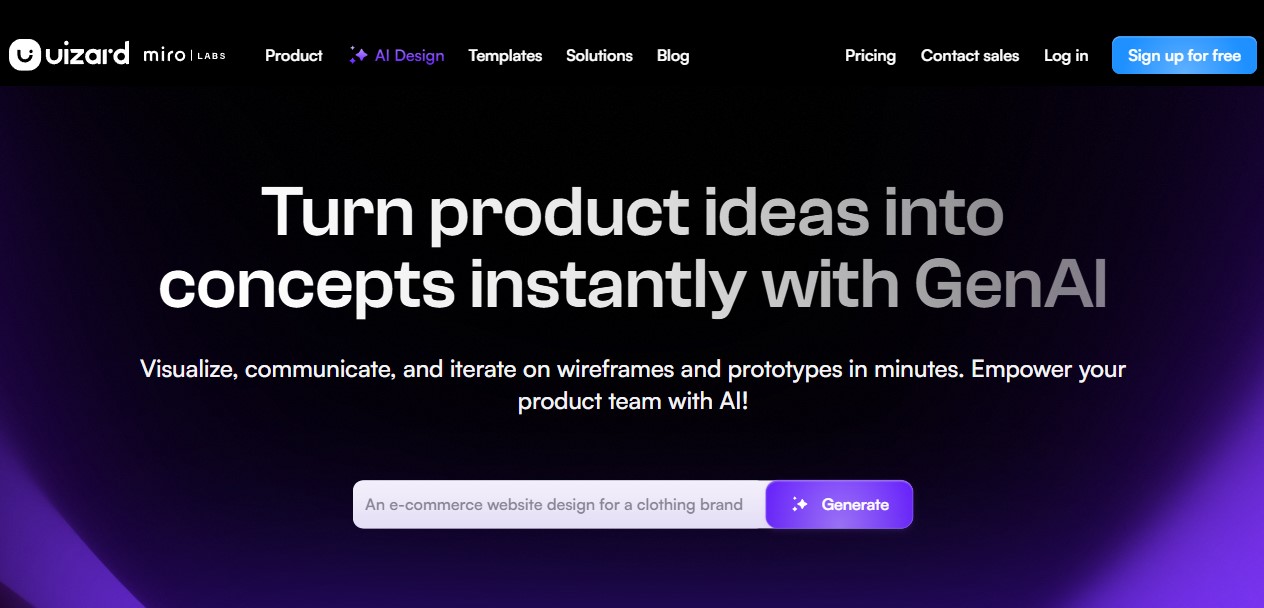
Uizard is a capable AI-assisted design tool that can morph hand-drawn doodles on parchment into realistic digital mockups. You can just capture a snapshot of a schematic in your notebook, and Uizard's AI will convert it into an changeable design with typical UI components. It also has a capable "Autodesigner" tool that can make several-screen previews from written instructions, rendering it a multi-purpose tool for swift mocking up.
Khroma
Khroma is a tailored AI shade creator for designers. You initiate by choosing fifty of your favorite hues, and Khroma utilizes a AI model to ascertain your inclinations. It then forms an infinite array of distinctive, pentachromatic hue arrangements that are customized to your exact aesthetic. It's a brilliant method to reveal original and unanticipated hue mixes that you are statistically disposed to cherish, liberating you out of your usual creative routines.